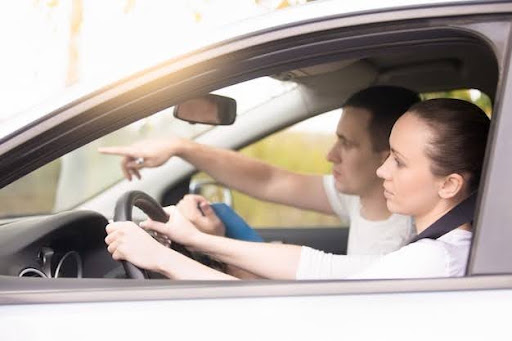
Learning to drive a manual vehicle requires coordination, concentration, and a clear understanding of road rules. Manual car lessons help beginners develop these abilities through guided instruction and practical experience. From operating the clutch to changing gears and observing traffic, learners gradually build the skills needed for responsible driving. Professional guidance also helps students identify mistakes early and practise correct techniques in a controlled environment.
1. Clutch Control and Smooth Starting
One of the first skills taught in manual car lessons is operating the clutch correctly. Learners discover how to find the biting point and coordinate the clutch with the accelerator when moving off.
Releasing the clutch too quickly may cause the engine to stall, while applying too much acceleration can create sudden movement. With consistent practice, drivers can learn to start smoothly and maintain better control.
2. Changing Gears at the Right Time
Manual transmission requires drivers to select gears according to vehicle speed, engine performance, and road conditions. During manual car lessons, instructors explain how to shift up or down without unnecessary jerking.
Learners also practise listening to engine sounds and recognising when a different gear may be appropriate.
3. Steering, Braking, and Vehicle Control
Good vehicle control involves using the steering wheel, accelerator, and brakes smoothly. Manual car lessons give beginners opportunities to practise turning, slowing down, stopping, and maintaining a suitable position on the road.
Learners also develop an understanding of braking before corners and leaving enough space between vehicles.
4. Mirror Checks and Road Awareness
Drivers must understand what is happening around their vehicle, not just what lies ahead. In manual car lessons, students practise checking mirrors, observing blind spots when necessary, recognising road signs, and watching other road users.
Instructors explain how to anticipate hazards and maintain safe distances. These habits help drivers make informed decisions when approaching junctions, changing lanes, or responding to unexpected situations.
5. Hill Starts and Parking Manoeuvres
Starting on a slope and parking in confined spaces can be challenging for beginners. Manual car lessons help students coordinate the clutch, accelerator, and brakes when moving uphill, using the method appropriate to the vehicle and conditions.
Learners also practise reversing, parallel parking, and positioning the vehicle accurately. Repetition and instructor feedback help improve judgement, coordination, and confidence during these manoeuvres.
6. Defensive Driving and Test Preparation
Safe driving includes anticipating risks, following speed limits, and remaining patient around other road users. Manual car lessons can introduce defensive driving techniques and help learners understand how to respond calmly to changing conditions.
Instructors may also use mock driving tests to assess observation, vehicle control, manoeuvres, and compliance with local road rules.
Final Thoughts
Learning to drive a manual car involves developing several connected skills rather than simply mastering the gearstick. Manual car lessons provide a structured opportunity to practise clutch control, gear changes, steering, braking, observation, parking, and hazard awareness. Progress depends on the learner’s experience, consistency, and ability to apply feedback. Beginners should practise at a suitable pace with a qualified instructor and avoid driving independently until they meet local licensing requirements.